Bulky bouquet disposal: where to recycle in Pinner
Posted on 17/10/2026
Fresh flowers look lovely for a few days, then suddenly you've got a lot of stems, stems everywhere, a soggy wrap or two, and that awkward question: what now? If you're searching for Bulky bouquet disposal: where to recycle in Pinner, you're probably trying to do the sensible thing without making a mess of the bin, the garden, or the local recycling rules. Fair enough.
This guide walks you through what to do with large, spent bouquets, how to separate the different parts, what can usually be recycled, what should go in the general waste, and how to choose the least wasteful option in and around Pinner. It also covers practical habits that help with deliveries, special events, and everyday home tidy-ups. Truth be told, flower disposal sounds simple until you're standing there with ribbon, cellophane, wet foam, and stems all mixed together. Let's untangle it properly.
- Why bulky bouquet disposal matters
- How disposal and recycling usually work
- Key benefits and practical advantages
- Who needs this and when it makes sense
- Step-by-step guidance
- Expert tips for better results
- Common mistakes to avoid
- Tools, resources and recommendations
- Law, compliance, standards, or best practice
- Options, methods, or comparison table
- Case study or real-world example
- Practical checklist
- Conclusion
- Frequently asked questions
Why Bulky bouquet disposal: where to recycle in Pinner Matters
Large bouquets can create more waste than people expect. A hand-tied arrangement might look elegant on the day, but once the flowers fade you may be left with a surprising mix of materials: paper wraps, plastic sleeves, florist tape, foam blocks, ribbon, elastic bands, water tubes, and cardboard inserts. Some of that may be recyclable. Some usually isn't. The job is figuring out the difference.
Why does this matter in Pinner specifically? Because local disposal habits are shaped by what residents can realistically sort at home, what their collection service accepts, and whether they have access to a nearby reuse, recycling, or household waste route for awkward items. You don't want to contaminate a recycling bin with things like wet compostable-looking plastic or floral foam. That's the sort of tiny mistake that can spoil a whole load. Annoying, but avoidable.
There's also a sustainability angle. Bouquet waste is often mostly organic, which means it can often be reduced, separated, or composted more intelligently than a full black bag treatment. Even if you're not trying to be ultra-green about it, good disposal just makes life easier. Less smell, less clutter, fewer trips back and forth to the bin. Simple wins.
Practical takeaway: the best disposal method depends less on the size of the bouquet itself and more on the materials attached to it. Separate first, recycle second, bin only what genuinely cannot be recovered.
How Bulky bouquet disposal: where to recycle in Pinner Works
In practice, bulky bouquet disposal is really a sorting exercise. You break the arrangement down into manageable parts and deal with each material in the right way. That's the real trick. Not glamorous, but it works.
Typical bouquet components and what they mean for disposal
- Flower stems and heads: usually organic and suitable for home composting if you have one, or garden waste if your local service accepts it.
- Paper wrap: clean paper may be recyclable, but if it's wet, heavily dyed, laminated, or coated it may not be accepted.
- Plastic sleeve or cellophane: this is often the awkward bit; many thin films are not accepted in household recycling unless a specific local route exists.
- Ribbon and string: usually not recyclable in normal mixed recycling, especially if synthetic.
- Florist foam: generally not recyclable through regular household systems.
- Card inserts or tags: plain card can often be recycled if clean and dry.
That may sound fiddly, but once you do it once or twice, it becomes routine. You'll notice most of the waste volume is the flowers themselves, while the truly non-recyclable part is often much smaller. Which is good news.
For anyone in Pinner comparing disposal options, it helps to think in layers: first the organic material, then the paper-based parts, then the mixed or synthetic extras. If you've ordered flowers before, especially from a local florist such as a Pinner florist, you may also find that presentation materials vary depending on the occasion and bouquet style. Some arrangements are wrapped with very little packaging; others are a bit more elaborate. Birthdays, sympathy pieces, wedding bouquets, and everyday hand-tieds can all produce different disposal challenges.
Where recycling usually happens
There usually isn't a single "bouquet recycling bin" waiting around the corner. In real life, the disposal route may be one of these:
- Home composting for stems, leaves, and petals, where appropriate.
- General household recycling for clean paper cards, cardboard sleeves, or tags.
- Residual waste for mixed plastics, foam, tape, and contaminated wrap.
- Garden waste collection or composting route if you already use one and it accepts floral green waste.
- Reuse or repurpose for vases, ribbons, and decorative containers.
If the bouquet came with a card or add-on gift, it is often easier to sort those items immediately instead of leaving them tangled in the wrap. A neat little kitchen-sink sorting session saves time later. Not exactly thrilling, but it beats the "what is this sticky thing?" moment the next morning.
Key Benefits and Practical Advantages
Disposing of a bulky bouquet properly is about more than being tidy. There are a few real advantages, and the practical ones tend to show up first.
- Less waste contamination: separating materials improves the chances that recyclable parts stay recyclable.
- Cleaner bin storage: organic flower waste can smell quickly, so handling it promptly keeps indoor bins fresher.
- Reduced landfill reliance: compostable or recyclable elements are diverted where possible.
- Better space management: large bouquets can take over a worktop or hallway in a day or two.
- More consistent habits: once you know the system, handling future bouquets becomes quick and almost automatic.
There's a less obvious benefit too: once you start sorting bouquet materials correctly, you naturally get better at dealing with other mixed household items. Gift wrap, packaging, event leftovers, even those random dried stems in a vase three weeks later-same mindset, same payoff.
For households that receive flowers regularly, perhaps for birthdays, thank-you gifts, anniversaries, or just because, this becomes one of those tiny routines that keeps the home calmer. A bit less cluttered, a bit less wasteful, and a lot less "I'll deal with it later" energy hanging around the room.
Who This Is For and When It Makes Sense
This topic matters to a fairly broad group of people in Pinner. You may be dealing with one bouquet, or a stack of arrangements after a family gathering. Either way, the same principles apply.
Common situations where it comes up
- You've received a large hand-tied bouquet for a birthday or anniversary.
- You're clearing flowers after a wedding, engagement, or event.
- You've got sympathy flowers and want to dispose of them respectfully.
- You run a small office or salon and regularly receive floral gifts.
- You're trying to compost the organic parts without contaminating the recycling bin.
- You want to reduce household waste and be a bit more deliberate about materials.
It also makes sense for landlords, property managers, and small business owners who need a simple process for post-event clean-up. A bouquet left in a warm room can become limp fast. Add a ribbon bow and some damp paper, and suddenly there's a bit of an odour. Nobody enjoys that. Especially not on a Monday morning.
For those ordering flowers with delivery in the area, it is worth keeping an eye on the packaging style too. If you regularly use flower delivery in Pinner, you may notice some arrangements arrive in more recyclable packaging than others. That affects disposal later, so it's useful to favour simpler wrapping where you can.
Step-by-Step Guidance
If you want the easiest possible process, do it in the same order every time. A few minutes now saves a lot of fiddling later.
Step 1: Separate the bouquet into material groups
Lay everything out on a clean surface. Pull away the flowers, paper, plastic, ribbon, and any inserts. If there's floral foam, handle it gently because it can break apart into dusty fragments. That stuff has a way of getting everywhere, doesn't it?
Step 2: Remove reusable items first
- Save vases, jars, and decorative containers.
- Untie ribbons if they can be reused for gifts or crafts.
- Keep cards or notes if they have sentimental value.
It sounds obvious, but under time pressure people often bin the nice container and keep the plastic sleeve. Happens all the time.
Step 3: Deal with the organic material
Flower heads, leaves, and stems can often be composted at home if you have a suitable compost bin. Chop larger stems into smaller pieces if needed. If home composting isn't practical, check whether your garden waste route accepts cut flowers and green waste. If not, place them in residual waste, ideally drained and bagged neatly.
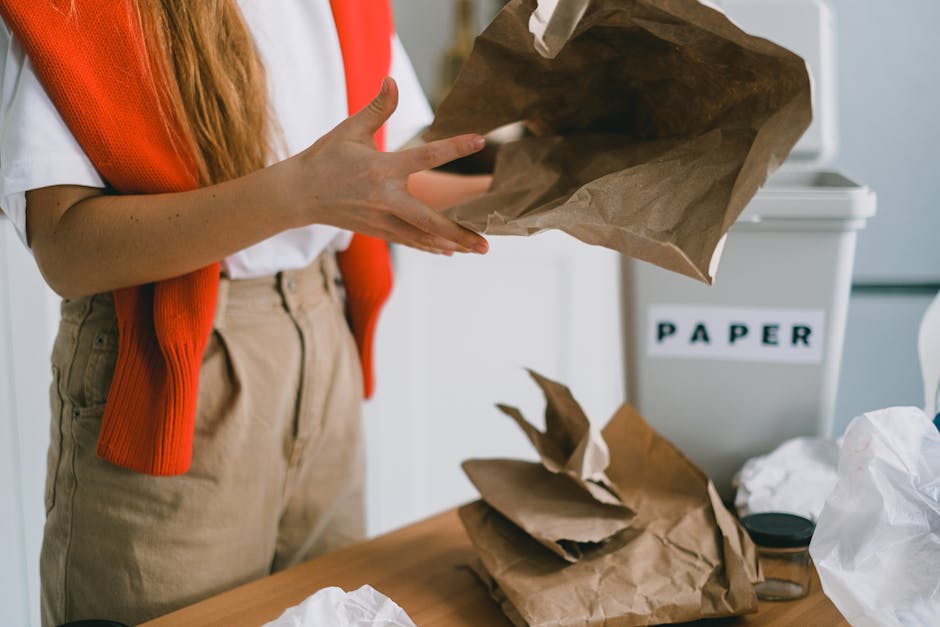
Step 4: Sort the paper-based materials
Clean paper wrap and plain cardboard inserts can sometimes go into recycling if they're dry and not coated. If they're wet, waxy, laminated, or covered in glitter, treat them cautiously. Many recycling systems dislike contamination more than people realise. A greasy or soggy piece of wrap can spoil the lot.
Step 5: Bin the non-recyclables responsibly
Plastic sleeves, synthetic ribbon, foam, tape, and mixed-material embellishments usually belong in general waste unless a local scheme specifically accepts them. Keep them together so they don't blow around or tangle with other rubbish.
Step 6: Clean the area and container
Wipe the surface, rinse the vase, and empty any standing water. A quick clean now prevents staining and keeps smells down. If the stems have sat for a while, you may notice that slightly green, plant-water smell-very normal, mildly unpleasant, and easy enough to manage.
Expert Tips for Better Results
Here's where a few small habits make a surprisingly big difference. No magic, just better process.
- Sort immediately: the longer flowers sit, the more likely the stems, paper, and water become messy and unpleasant.
- Keep a small sorting tray nearby: a shallow tray or old box makes it easier to gather ribbons, tags, and loose bits.
- Use scissors for stubborn ties: don't yank thin florist bands or they'll snap and scatter.
- Rinse containers before recycling: tiny residue can matter, especially with jars or plastic flower buckets.
- Save the packaging style for next time: if a florist uses clearly separated materials, that's usually easier to dispose of.
- Compost thoughtfully: if you home-compost, avoid adding large amounts of florist foam, glossy wrap, or dyed ribbon by accident.
A small local observation: in homes across Pinner, floral gifts often arrive before weekends, events, or visits. That means disposal can get delayed by a day or two. The bouquet looks fine on Friday evening, then not so lovely by Sunday afternoon. In those cases, a quick sort on the first sign of fading is worth it. Freshness turns quicker than people expect.
If you're ordering for a special event, choosing a florist with clear delivery and care information can help you reduce waste later. A useful place to start is the site's flower care guidance, which can also help you keep bouquets looking good longer before disposal becomes necessary.
Common Mistakes to Avoid
Most bouquet disposal problems come from a few repeat mistakes. The good news is they're easy to avoid once you know what to look for.
- Putting mixed bouquet waste straight into recycling: this is the biggest error. Mixed bouquets are not one material.
- Assuming all paper is recyclable: coated, glittery, or wet wrap often is not.
- Including floral foam in compost: generally a no-go unless you have a special waste route.
- Leaving stems in water for too long: this creates odour and mess.
- Forgetting about hidden plastic: some bouquet wraps have a thin plastic lining that is easy to miss.
- Overstuffing the bin with damp organic waste: it compresses, smells, and can leak.
Another subtle mistake is treating every bouquet as if it's identical. A supermarket bunch, a hand-tied florist arrangement, and a wedding bouquet are not disposed of the same way. Not even close. The materials differ, and so should the method.
And yes, there's a temptation to just shove the whole thing into one bag and move on. We've all been there. But that shortcut usually creates the exact kind of bin day annoyance you were trying to avoid.
Tools, Resources and Recommendations
You do not need specialist equipment to handle bouquet disposal well. A few basic items are enough.
| Item | Why it helps | Best use |
|---|---|---|
| Kitchen scissors or small secateurs | Makes it easier to cut stems, ribbons, and ties | Breaking down bulky bouquets |
| Reusable tray or box | Contains loose petals and small packaging pieces | Sorting on a table or counter |
| Compost bin or caddy | Keeps organic waste separate and contained | Home composting or garden waste collection prep |
| Paper bag or scrap paper | Useful for holding dry recyclable card or paper wrap | Dry, clean paper-based materials |
| Microfibre cloth | Quickly wipes down vase residue and water drips | Post-disposal cleaning |
As for recommendations, the simplest one is this: choose the least complicated route that still keeps materials separate. You do not need to over-engineer a bouquet disposal system for the sake of it. Just make it tidy, repeatable, and realistic for everyday life.
If the bouquet arrived as part of a larger occasion, you may also be using other flower products from the same website, like sympathy arrangements, wedding flowers, or seasonal hand-tieds. In those cases, browsing pages such as funeral flowers in Pinner or wedding flowers in Pinner can help you understand the likely packaging and the kind of display materials you may need to dispose of afterwards. Different occasions, different waste patterns. That's the reality.
Law, Compliance, Standards, or Best Practice
For household bouquet disposal, the main concern is usually not a special law, but following local waste rules and common-sense sorting. In the UK, recycling acceptance can vary by council and by collection service, so it is always safer to follow the guidance that applies locally rather than assuming a material is accepted everywhere.
Best practice generally means:
- keeping recycling streams clean and dry
- separating organic waste from plastics and foam
- not placing contaminated packaging into mixed recycling
- handling sharp stems and broken glass safely
If you are disposing of flowers in a workplace, event space, or rented property, you may also want a consistent internal process so staff or guests know what goes where. That isn't about legal drama; it's just about avoiding confusion and keeping bins under control. A small printed note near the waste area can honestly save time.
For flowers associated with a memorial, funeral, or remembrance setting, respectful handling matters too. That may mean separating tributes carefully, reusing ribbons or cards where appropriate, and disposing of the rest quietly and thoughtfully. The practical process is similar, but the tone matters. Small difference, big effect.
Options, Methods, or Comparison Table
Different bouquet disposal methods suit different situations. Here's a simple comparison to help you choose without second-guessing yourself.
| Method | Best for | Pros | Limitations |
|---|---|---|---|
| Home composting | Stems, petals, leaves | Low waste, simple, natural | Not suitable for foam, ribbon, or coated wrap |
| Household recycling | Clean paper, card, some packaging | Easy if materials are dry and plain | Contamination risk if items are mixed or wet |
| General waste | Foam, tape, plastic sleeves, mixed materials | Safe fallback when recycling isn't possible | Less sustainable |
| Reuse or repurpose | Vases, jars, ribbons, cards | Reduces waste and keeps useful items in circulation | Only works if items are intact and wanted |
| Garden waste route | Organic plant material | Good for larger volumes of flowers | Depends on local acceptance rules |
For most households, the best answer is a mix of the first four. Reuse what you can, compost the natural bits, recycle the clean paper, and bin the leftovers. Nice and boring. Which, on waste day, is exactly what you want.
Case Study or Real-World Example
A couple in Pinner received several large bouquets after a family celebration at home: one mixed hand-tied arrangement from a local shop, one wrapped grocery bouquet, and a small vase arrangement from a neighbour. By the next day, the dining table looked like a florist had exploded on it. Gorgeous, but messy.
Instead of throwing everything out together, they spent about 15 minutes sorting the items. The plain card tags went into recycling. The glass vase was washed and kept. The stems and flower heads were cut down and added to their compost caddy. One bouquet had a plastic sleeve and ribbon that went into general waste. The result? One small recycling bag, one compost caddy top-up, and no odour building up by the sink.
The important part wasn't perfection. It was process. They didn't try to make every part recyclable. They just dealt with each material sensibly and quickly. That is usually the best outcome for real homes, especially when life is busy and dinner is still to be made.
Practical Checklist
Use this checklist whenever you need to clear a large bouquet. It keeps the process fast and avoids guesswork.
- Remove the flowers from the wrap and ties.
- Separate stems, leaves, paper, plastic, ribbon, and foam.
- Save reusable vases or containers.
- Compost the organic parts if suitable.
- Recycle only clean, dry paper or card where accepted.
- Place plastic sleeves, ribbon, tape, and foam in general waste unless a special route exists.
- Drain or empty any water from vases or flower containers.
- Wipe down the surface and clean the container.
- Keep the disposal bag closed so loose petals do not scatter.
- If in doubt, choose the safest non-contaminating option.
Quick expert summary: the easiest way to handle bulky bouquet disposal in Pinner is to think in materials, not in bouquet shape. Organic parts first, clean paper second, mixed extras last. Simple, repeatable, and far less messy than trying to force everything into one bin.
Conclusion
Bulky bouquet disposal does not need to be awkward. Once you know what's recyclable, what belongs in compost, and what needs to go in the general waste, the whole thing becomes a quick household routine rather than a nuisance. In Pinner, the smart approach is to separate materials carefully, keep recycling clean, and reuse what still has value.
If you are choosing flowers for a future occasion, it can help to think one step ahead: simpler wrapping, better care, and materials that are easier to sort later. That way the bouquet gives you joy on day one and less hassle on day five. Not a bad deal, really.
Get a free quote today and see how much you can save.
And if today's bouquet has already wilted, don't worry. A calm, sensible sort-out is usually all it takes to put things right.
Frequently Asked Questions
Can I put an entire bouquet in the recycling bin?
Usually, no. A whole bouquet often contains mixed materials such as stems, paper, plastic wrap, ribbon, and foam. It is better to separate the parts first and only recycle the clean items that your local service accepts.
Are flower stems compostable?
In many cases, yes. Fresh flower stems, leaves, and petals are organic and may be suitable for home composting or a garden waste route. Avoid adding non-organic extras like ribbon, plastic, or florist foam.
Is florist cellophane recyclable?
Not usually in standard household recycling. Thin plastic flower wrap is often treated as mixed plastic or residual waste unless a specific local scheme accepts it. Check carefully and do not assume it belongs in the mixed recycling bin.
What should I do with ribbon and gift tags?
Ribbon is usually not recyclable if it is synthetic, and even paper-looking ribbon can be tricky if it has coatings. Gift tags made of plain card may be recyclable if they are clean and dry. When in doubt, separate them and decide by material.
Can I compost flowers from a bouquet with a vase foam block?
The flowers themselves may be compostable, but floral foam usually is not suitable for normal composting. Remove it first and place it in residual waste unless you have a special disposal route that explicitly accepts it.
How do I stop bouquet waste smelling indoors?
Deal with it as soon as the flowers begin to fade. Drain the water, remove organic waste, and clear damp paper or stems quickly. A small lined caddy or bag helps contain odours until bin day.
What is the best option for a large bouquet after an event?
The best option is usually a combination of reuse, composting, recycling, and general waste. Save the vase, compost the flowers if possible, recycle plain card, and bin the mixed packaging. That's the practical balance most households use.
Do I need special disposal for funeral or memorial flowers?
The physical process is similar, but many people handle memorial flowers more carefully and respectfully. Cards and keepsakes may be kept, while the floral material is sorted thoughtfully and disposed of in a quiet, dignified way.
What if I am not sure whether a material can be recycled locally?
If you are unsure, keep it out of the recycling bin until you can identify it. Contamination is often worse than sending one small item to general waste. Better to be cautious than to guess and create a recycling problem.
Can I reuse bouquet packaging for gifts or storage?
Yes, sometimes. Vases, jars, some ribbons, and clean paper wrap can often be reused creatively. It is one of the easiest ways to reduce waste, especially after birthdays, anniversaries, and seasonal gifts.
Where should I start if I want the easiest flower disposal routine?
Start by sorting the bouquet into four groups: organic waste, clean paper/card, reusable items, and non-recyclables. Once you do that a few times, the process becomes very quick. Honestly, it's one of those small life admin tasks that gets easier fast.
Does bouquet size change how I should dispose of it?
Only a little. Bigger bouquets create more waste, but the disposal logic is the same. You still separate by material. The only difference is that a larger arrangement may need a bigger compost caddy, a larger bag, or a bit more sink space for cleaning up.