Wedding flowers for St John's Church Pinner: design ideas
Posted on 15/09/2026
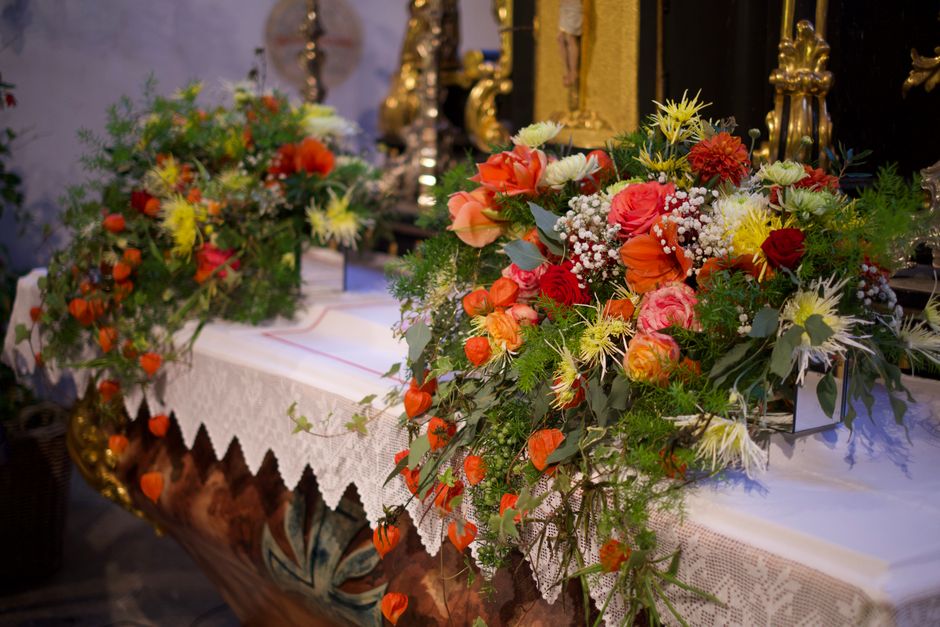
Planning wedding flowers for St John's Church Pinner can feel wonderfully exciting and, if we're honest, a bit daunting too. The church setting asks for something elegant, respectful, and beautifully photographed, while the day itself needs flowers that feel personal rather than fussy. That balance is the whole game. In this guide to Wedding flowers for St John's Church Pinner: design ideas, you'll find practical inspiration for the aisle, altar, pews, bouquets, buttonholes, and reception flowers, plus the small details that make everything feel cohesive.
Whether you want a classic white church look, something soft and romantic, or a more modern floral palette, the right design can transform the space without overwhelming it. And because wedding mornings have enough moving parts already, this article also covers planning, timing, budget choices, and the little things couples often forget until the last minute. Yes, even the ribbon colour. That one catches people out more than you'd think.
For couples who want to explore more wedding-focused floral options, it can help to browse a dedicated wedding flowers collection alongside the specific design ideas below. If you are comparing broader styles and seasonal looks, the Pinner wedding flowers page is also a useful place to start.

Table of Contents
- Why Wedding flowers for St John's Church Pinner: design ideas matters
- How wedding flower design for St John's Church Pinner works
- Key benefits and practical advantages
- Who this is for and when it makes sense
- Step-by-step guidance
- Expert tips for better results
- Common mistakes to avoid
- Tools, resources and recommendations
- Law, compliance, standards, or best practice
- Options, methods, or comparison table
- Case study or real-world example
- Practical checklist
- Conclusion
- Frequently asked questions
Why Wedding flowers for St John's Church Pinner: design ideas Matters
Church wedding flowers do more than decorate a venue. They guide the eye, soften architectural lines, frame the ceremony, and help create the emotional tone of the day. St John's Church Pinner, like many traditional churches, will naturally have beautiful structure already: stone, wood, height, and light that changes through the day. Flowers should work with that atmosphere, not compete with it.
That is why design ideas matter so much. A bouquet that looks lovely in a shop can feel completely different once it is placed against pew ends, near the altar, or in a photo taken from the back of the nave. Scale, colour, and placement all matter. A neat cluster of blooms can feel more refined than a large arrangement if the church is visually busy, while a fuller design might be exactly right if the interior is plain and spacious.
There is also a practical side. Church ceremonies often involve guests arriving early, a service running on time, and floral arrangements needing to survive a few hours in warm or cool conditions without drooping. So the design has to be beautiful and sensible. To be fair, that is the sweet spot for all good wedding flowers.
Expert takeaway: The best church flowers are not always the biggest ones. They are the ones that suit the building, suit the photos, and suit the pace of the day.
How Wedding flowers for St John's Church Pinner: design ideas Works
Designing flowers for a church wedding usually starts with three things: the ceremony layout, the season, and your chosen style. Once those are clear, the florist can recommend arrangements that are proportionate and practical. For example, a summer wedding might suit airy roses, lisianthus, and delicate greenery, while a winter ceremony might benefit from richer textures and stronger shapes.
In a church setting, flowers are typically planned around specific zones:
- Entrance or porch flowers to welcome guests and create a first impression.
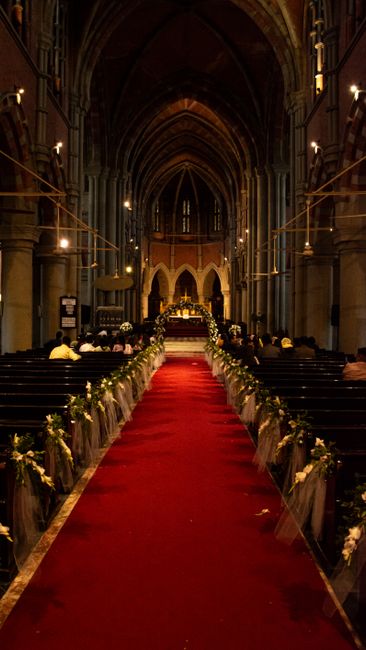
- Aisle or pew flowers to add rhythm and softness along the seating.
- Altar or front arrangements to frame the couple during the vows.
- Pedestal or statement pieces where the church permits and space allows.
- Bouquets, buttonholes, and bridesmaid flowers to tie everything together.
Then comes the style decision. Some couples want an obviously romantic look with roses and trailing greenery. Others prefer a restrained, almost architectural design with white blooms and clean lines. Neither is right or wrong. The better question is: what do you want the room to feel like when you walk in?
If you are choosing a coordinated bridal set as part of the plan, it is worth looking at designs such as a classic bridal bouquet or matching bridesmaid bouquet options so the ceremony flowers and personal flowers speak the same visual language.
One small but important point: church flowers are often viewed from a distance first and up close second. That means strong silhouettes, clear colour stories, and a tidy finish usually work better than too many tiny details. The tiny details can come later in the bouquet ribbons, the buttonholes, or the table flowers.
Key Benefits and Practical Advantages
Good wedding flowers do a lot of quiet work. They create mood, help photography, and give the ceremony a sense of occasion without needing extra decoration everywhere. For St John's Church Pinner, well-planned flowers can also help bring warmth to a traditional interior and create a sense of flow from the entrance to the altar.
Here are the most practical advantages couples usually notice:
- Better photos: flowers give focal points, colour contrast, and depth in ceremony images.
- More defined space: floral placements help separate the ceremony area from the seating.
- A stronger theme: bouquets, buttonholes, aisle flowers, and table pieces can all feel connected.
- Less visual noise: the right arrangements can make even a simple church setting feel polished.
- Flexible budgets: you can spend more on key focal pieces and keep other elements understated.
There is a real design advantage too. When the ceremony flowers are done well, the rest of the wedding often feels easier to style. Your stationery, bridesmaid dresses, and even reception tableware can follow the same palette. Suddenly the whole day feels intentional. Nice, right?
| Flower approach | Best for | What it does well | Watch-outs |
|---|---|---|---|
| White and green palette | Classic church ceremonies | Feels timeless, calm, and polished | Can look flat if there is no texture |
| Soft blush and pastel tones | Romantic spring or summer weddings | Photographs beautifully and feels gentle | Needs enough contrast in the church interior |
| Bold colour palette | Modern, expressive couples | Creates energy and a strong visual statement | Can overpower small arrangements if overused |
| Mixed seasonal flowers | Relaxed, natural weddings | Feels abundant and organic | Needs careful editing so it does not look messy |
Who This Is For and When It Makes Sense
This topic is for couples marrying at St John's Church Pinner, of course, but also for anyone planning a church ceremony in a setting with character, history, and some natural architectural presence. If you are trying to decide whether to keep things simple or create a fuller floral scheme, this is where those decisions become clearer.
It makes especially good sense if you are:
- planning a traditional church wedding and want flowers that feel respectful and elegant
- working with a limited budget and need to prioritise the most visible floral areas
- hoping to create a calm, romantic, or classic atmosphere rather than a heavily styled one
- pairing church flowers with reception arrangements elsewhere in Pinner or nearby
- unsure what a church florist actually needs to know before the day
It also makes sense if you are the sort of couple who wants clarity early. Truth be told, wedding planning gets noisy fast. One minute you are comparing flowers, the next you are trying to remember whether the registrar, vicar, or mum asked for the ribbon to be ivory or white. Flowers can be one of the easier decisions if you approach them in a structured way.
If you are still building the bigger floral picture, the general local florist page can help you see how wedding work sits alongside everyday floral design and service levels. It is a sensible way to gauge style and reliability before you commit.
Step-by-Step Guidance
A strong floral plan does not need to be complicated. It just needs to be thought through in the right order. Here is the approach that usually gives the best results for church weddings.
1. Start with the church layout
Before choosing colours, ask what parts of the church you can decorate and what restrictions apply. Some churches prefer modest arrangements, some allow more freedom, and some have very specific placement rules. The layout tells you where the flowers will have visual impact.
2. Decide your overall mood
Do you want classic and refined, soft and romantic, joyful and colourful, or fresh and natural? This mood decision matters because it filters every other choice. A bouquet can be gorgeous on its own and still feel wrong if it does not match the room.
3. Build a colour palette
Choose two or three main colours and one supporting neutral. For many couples, white, ivory, blush, green, and pale peach work beautifully in a church. If you want more drama, deep red, burgundy, or purple can look striking, especially in small accents rather than across every arrangement.
4. Select the focal flowers first
It is often helpful to pick the flowers that do the visual heavy lifting: roses, lilies, orchids, hydrangeas, lisianthus, or seasonal mixed blooms. Then build the smaller details around them. For example, a white rose and orchid arrangement can feel clean and formal, while rose and lisianthus designs feel softer and a bit more romantic.
5. Match the personal flowers
The bride's bouquet, bridesmaid bouquets, buttonholes, and corsages should support the church flowers, not fight them. If the ceremony arrangements are restrained, keep the handheld flowers refined too. If the church has fuller statement pieces, you can echo that abundance in the bouquet shape.
6. Plan placement and timing
Church flowers often need to be delivered and arranged within a tight window. Build in time for installation, final checks, and the inevitable tiny adjustment someone notices just before guests arrive. A ribbon straightened at the last moment can save a photo. Slightly dramatic? Maybe. But true.
7. Think about the reception crossover
If the same flowers will move from church to reception, choose designs that can travel well. Hand-tied bouquets, small arrangements, and compact centrepieces usually transition better than highly architectural pieces. If flowers stay in the church, you can be more theatrical with scale.
Expert Tips for Better Results
There are a few small details that separate pleasant flowers from truly memorable ones. None of them are complicated, but they do make a difference.
- Use proportion as your guide. A church with high ceilings may need taller front arrangements, while a smaller space can feel overcrowded very quickly.
- Keep the palette disciplined. Too many flower colours can make even expensive arrangements look unplanned.
- Choose textures, not just blooms. Pair soft petals with structured greenery or a few fuller heads so the arrangement has depth.
- Ask for florals that photograph well from multiple angles. Your flowers will be seen from the front, side, and in candid shots when people stand up and move around.
- Use buttonholes to repeat the main flower choice. It is a small thing, but it helps the whole wedding feel joined up.
One of the smartest decisions is to focus money where guests and cameras will notice it most. The altar area, entrance, and bridal bouquet usually carry the biggest visual weight. A smaller, carefully chosen arrangement can be more effective than spreading the budget too thinly. Less, but better. That old rule still holds.
For design inspiration with a more curated feel, some couples like to compare collection-style options such as White Wonders wedding collection or The Perfect Match wedding collection. Those can be useful reference points if you are trying to decide between classic white styling and a more personalised blend.
Another practical tip: if the ceremony starts in late afternoon, ask how the flowers will look under softer indoor light. White blooms can glow, but pale cream shades can also fade a little if the room is dim. A florist with real church experience will think about that instinctively.
Common Mistakes to Avoid
Most flower mistakes are not dramatic. They are just expensive little mismatches. And once you know what they are, they are easy to avoid.
- Ignoring the church scale: small arrangements can disappear, but oversized pieces can block views or crowd the front.
- Choosing flowers only by colour: texture, stem strength, and seasonality matter just as much.
- Forgetting delivery logistics: if the florist cannot access the church easily or has too narrow a time window, the day gets stressful fast.
- Not checking what is included: some quotes cover flowers only, while others include installation, removal, or transfer to reception.
- Overfilling the aisle: sometimes a few well-placed pew ends look more elegant than flowers on every single seat.
- Leaving buttonholes too late: they are small, but they should still be planned with the rest of the look.
Another mistake is assuming all white flowers will look identical. They do not. Ivory, cream, bright white, and pearl-toned blooms each behave differently in photos and under church lighting. It's a tiny detail on paper, a big one in the room.
Tools, Resources and Recommendations
You do not need special software to plan wedding flowers, but a few simple tools make the process much easier. A mood board, even a rough one, helps you and your florist stay aligned. Screenshots from dresses, ribbon samples, favourite bouquets, and church photos can all sit together and tell a clear story.
Useful resources and practical helpers include:
- A ceremony floor plan so you know where flowers will sit.
- Photographs of the church interior at different times of day if you have them.
- A short colour reference for dresses, ties, and stationery.
- A list of must-have items such as bridal bouquet, buttonholes, pew ends, and altar pieces.
- A backup plan if you want flowers moved from church to reception later.
If you want to explore practical flower care after collection or delivery, the site's flower care guidance is a helpful companion. It is especially useful if some arrangements need to stay fresh from early morning through to the evening.
You may also find it useful to compare delivery timings and order windows with the delivery information page, especially if your wedding schedule is tight. The simple question to ask yourself is: can everything arrive in the right order, with no last-minute scrambling? If the answer is yes, you are already in a better place than many couples.
Law, Compliance, Standards, or Best Practice
For wedding flowers, there is usually no legal complexity in the way there might be for catering, licensing, or transport. Still, there are important best practices to respect, especially in church settings.
First, always check the church's decoration expectations. Many churches welcome floral arrangements but have preferences about fixing methods, candle proximity, and what may or may not be attached to pews or fittings. These are usually practical rather than bureaucratic, but they matter. Second, if you are using candles, lanterns, or other decorative items near flowers, make sure they are placed safely and in line with the church's own guidance. No one wants a lovely arrangement becoming an awkward hazard.
There is also a good professional standard around freshness, handling, and transparency. A trustworthy florist should be clear about seasonal substitutions, what happens if a bloom is unavailable, and what is included in the quote. If a specific rose or orchid is out of season, sensible alternatives should be suggested rather than silently swapped. That is standard good practice, plain and simple.
Where sustainability matters to you, ask how foam-free arrangements, reusable containers, or locally sourced seasonal flowers are handled. Many couples are not looking for perfection here, just reasonable choices that reduce waste without sacrificing style. The sustainability information page is a useful reminder that wedding flowers can be beautiful and more mindful at the same time.
Options, Methods, or Comparison Table
One of the easiest ways to choose your wedding flowers is to compare the main styling methods side by side. This helps you decide whether to invest in a few standout pieces or create a more evenly decorated church.
| Method | What it looks like | Best for | Pros | Cons |
|---|---|---|---|---|
| Minimal ceremony styling | A few refined arrangements with plenty of open space | Smaller budgets, traditional interiors, couples who like restraint | Elegant, unfussy, easy to manage | Can feel too sparse if the room is very large |
| Balanced floral styling | Key focal pieces plus aisle or pew flowers | Most church weddings | Looks complete without being excessive | Needs careful coordination so it does not feel bitty |
| Full ceremony styling | Entrance, aisle, altar, and supporting flowers throughout | Couples wanting a stronger visual impact | Very photogenic and immersive | Higher cost, more planning, more installation time |
| Flower-forward personal pieces | Focus on bouquet, buttonholes, and a small number of visible church flowers | Intimate weddings and careful budgets | Good value where guests are closest | Less dramatic in wide-angle church photos |
For many couples, the balanced approach is the safest and nicest. It gives enough presence for the church without trying to do too much. And really, not every wedding needs to look like a film set.
Case Study or Real-World Example
Here is a realistic example drawn from the kind of brief many couples bring to a local florist. A bride and groom wanted their St John's Church Pinner ceremony to feel classic, calm, and not overly ornate. They chose a white-and-green palette with blush accents, then used the same flowers to tie together the bouquet, buttonholes, and front arrangements.
The church flowers were kept elegant rather than sprawling: a pair of larger altar arrangements, modest pew ends, and a clean entrance arrangement that guests noticed as soon as they stepped inside. The bride's bouquet used similar blooms but in a slightly looser shape, so it looked romantic in photos without overpowering the rest of the flowers. Bridesmaid bouquets were smaller and lighter, not identical, which gave the group a more natural feel.
The result was not showy, but it felt thoughtful. The room looked dressed, the photos had a clear visual thread, and nothing felt overdone. The couple also appreciated that the flowers moved easily to the reception afterwards without much fuss. Simple, elegant, practical. Sometimes that combination is the whole point.
In cases like this, a florist will often suggest a style similar to white lily, rose and orchid centrepiece styling or a softer pairing such as roses and lisianthus arrangement, depending on the season and the church's light levels.
Practical Checklist
Use this quick checklist to keep the planning focused. It is one of those things that saves time later, honestly.
- Confirm the church's flower policy and any placement restrictions.
- Choose your overall mood: classic, romantic, natural, or modern.
- Decide the main colour palette and any accent colours.
- Select the ceremony focal points: entrance, aisle, altar, or all three.
- Choose bouquet and buttonhole styles that match the church flowers.
- Check delivery timing and who will place the arrangements.
- Confirm whether flowers will move to the reception later.
- Ask about substitutions if a seasonal bloom is unavailable.
- Review ribbon, vase, and container finishes so they fit the overall look.
- Keep a final contact number handy for the wedding morning.
Quick reminder: the best floral plans are clear, calm, and specific. If everyone knows what is arriving, where it goes, and when it needs to be ready, the whole day feels lighter.
For couples looking at a broader range of wedding-ready designs, it can be useful to cross-check with the full wedding range for Pinner and see which styles naturally fit your ceremony setting.
Get a free quote today and see how much you can save.
Conclusion
Wedding flowers for St John's Church Pinner work best when they respect the setting, support the ceremony, and feel personal to you. That might mean a handful of elegant focal pieces, or it might mean a fuller floral story from the porch to the altar. Either way, the aim is the same: flowers that look lovely in the room, feel right in the photographs, and help the day breathe.
If you keep the layout, palette, timing, and practical details in view, the decision becomes much easier. You do not need to decorate every inch. You just need the right flowers in the right places. That is usually enough to make the whole church feel warm, joyful, and properly special.
And when you walk in on the day and everything is exactly as it should be, that quiet little moment is hard to beat.
Frequently Asked Questions
What flowers work best for a church wedding at St John's Church Pinner?
Classic choices such as roses, lisianthus, orchids, hydrangeas, lilies, and seasonal mixed flowers tend to work well because they look elegant and photograph beautifully. The best choice depends on the church's style, your colour palette, and the season.
How many floral arrangements do I need for a church ceremony?
That depends on the size of the church and the look you want. Many couples choose a bridal bouquet, buttonholes, one or two altar arrangements, and a few aisle or pew flowers. A simpler wedding may need less, while a fuller design may include entrance and pedestal flowers too.
Should church flowers be white or can they be colourful?
They can absolutely be colourful if that suits your wedding. White and green is timeless, but blush, peach, purple, red, and mixed seasonal colours can all work well. The main thing is to keep the palette intentional so it feels elegant rather than busy.
How far in advance should I book wedding flowers?
It is sensible to book as early as you can, especially for peak wedding season. Early planning gives you more choice over flowers, design style, and delivery timing. If your date is close, a florist may still be able to help, but options can be tighter.
Can the church flowers be moved to the reception afterwards?
Often yes, but it depends on the arrangement style and the timing of the day. Hand-tied bouquets and compact arrangements usually move more easily than large fixed pieces. If you want this option, tell the florist early so the design can be planned for it.
What is the difference between bridal bouquets and church flowers?
The bridal bouquet is carried by the bride and usually has a more intimate, handheld shape. Church flowers are larger or more structural and are designed to frame the ceremony space. They should feel connected, but they do not need to be identical.
How can I keep wedding flower costs under control?
Focus the budget on the most visible areas, such as the altar and bouquet, and keep less visible flowers simpler. Seasonal blooms usually offer better value, and using repeated flowers across the church and bouquets can help create a more coherent look without adding unnecessary complexity.
Do I need special permission for church flower decorations?
Churches usually have their own preferences or guidelines about where flowers can go and how they should be fixed in place. It is best to check early with the church so there are no surprises on the day. Most of the time, it is about practical respect rather than formal paperwork.
What should I tell the florist before the wedding?
Share the ceremony time, church layout if available, colour preferences, dress style, any flowers you dislike, whether the arrangements will move to the reception, and any church restrictions. The more clearly you explain the day, the easier it is for the florist to suggest designs that really fit.
Are seasonal flowers better for church weddings?
Usually yes, because seasonal flowers tend to be fresher, more natural in appearance, and often more cost-effective. They also fit the time of year in a way that feels honest and lovely. That said, if a specific flower matters to you, a good florist can often suggest a sensible alternative.
What if I want a very simple church flower design?
Simple can be beautiful. A restrained arrangement with clean lines, good proportions, and one or two key flower types can look far more elegant than an overfilled display. If you like understated style, say so early and ask for a design that focuses on shape and quality rather than volume.
Can I use the same florist for wedding flowers and other occasions?
Yes, and that can be helpful if you want a consistent style or if the florist already understands your taste. For example, couples who have used a local florist for birthday flowers in Pinner sometimes return for weddings because they already trust the service and presentation.